
Skinner’s Operant Conditioning
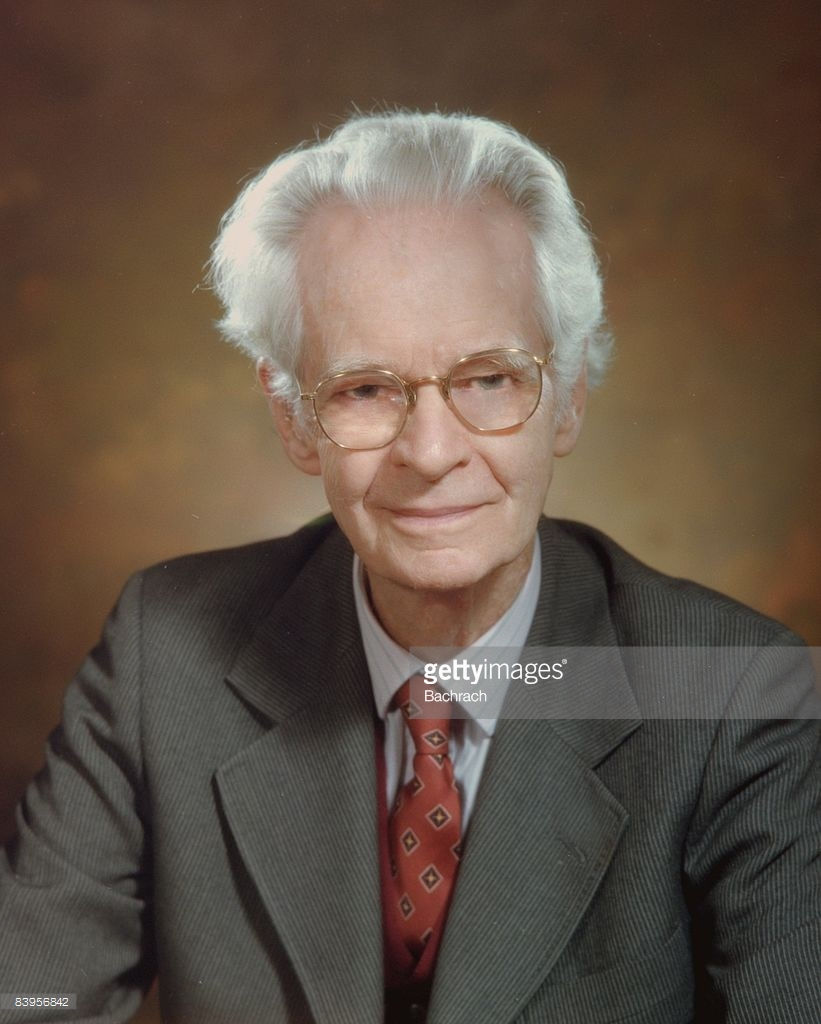
According to Skinner, the classical conditioning of Pavlov was a highly specialized form of learning utilized mainly by animals and playing a little part in human conditioning. Skinner’s Operant Conditioning is based upon the idea that learning is a function of change in overt behavior. Changes in behavior are the result of an individual's response to events (stimuli) that occur in the environment.
•Operant behavior – behavior in which one operates on the environment
•Does not consider a stimulus
•Focuses on consequences
•Operant Conditioning deals with operants - intentional actions that have an effect on the surrounding environment. Skinner set out to identify the processes which made certain operant behaviors more or less likely to occur.
[endif]•For example: we cannot identify a specific stimulus leading a baby to rise to a standing position or to take a first step, we therefore need not be concerned about that stimulus, but we should be concerned about the consequences.
[endif]
•The consequences tend to lessen / strengthen behavior.
•Reinforcement is important
•We are governed by the consequences of our behavior, and therefore in order to study human behavior, we ought to attend carefully to reinforces.
B.F. Skinner (1938) coined the term operant conditioning; it means roughly changing of behavior by the use of reinforcement which is given after the desired response. Skinner identified three types of responses or operant that can follow behavior.
• Neutral operants: responses from the environment that neither increase nor decrease the probability of a behavior being repeated.
• Reinforcers: Responses from the environment that increase the probability of a behavior being repeated. Reinforcers can be either positive or negative.
• Punishers: Responses from the environment that decrease the likelihood of a behavior being repeated. Punishment weakens behavior.


SKinner interview showing operant conditioning with pigeons. Discusses schedules of reinforcement:
Demonstration:





Comments